Study of price assessment
Thank you very much for choosing to participate in our study of how people make price assessments. We will use the information we collect in a study on economic decisions.
Your participation is voluntary. You can interrupt your participation at any time, in which case we will not save nor use your responses. If you want to interrupt the survey, please just close the browser window and no data is stored. Only when you click the "Save data anonymously"-button in the end of the survey, we save your responses.
We save your responses as a random and anonymous record unconnected to you as a person. When the study is complete, we process and present all records at an aggregate level as graphics or numbers in tables in which individual responses are untraceable.
If you have any further questions, please do not hesitate to ask your investigator.
Instructions
In the following, you will be presented with 4 items (items A, B, C, and D).
For each item, you will be given a role as either seller or buyer. You are to imagine that you are either in possession of the item and about to sell it (seller) or not in possession of the item and about to buy it (buyer).
As a seller, you will be asked to indicate the minimum price you are willing to accept for the item.
As a buyer, you will be asked to indicate the maximum price you are willing to pay for the item.
We kindly ask you to be as honest as possible. We are interested in your subjective opinion and not what you expect others opinions would be. In other words: you can not be wrong.
Please ask the investigator at this point, if you find the instructions unclear or have further quesitons.
Item A
Please have a look at the item below.
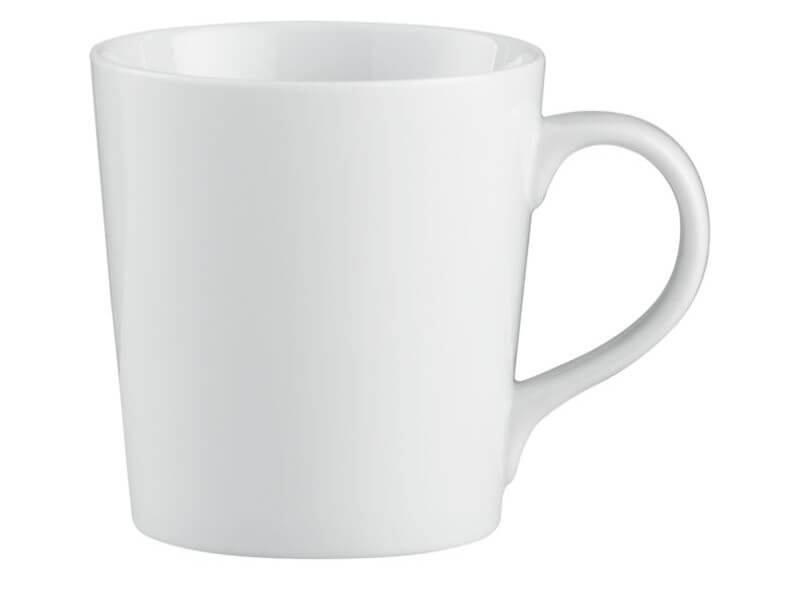
Buying item A
Now imagine that you are not in possession of item A (mug) and want to buy it.
What is the maximum price you would pay for item A (mug)?
Buying item A
Here is some extra information about item A (mug):
This mug is unbreakable.
You can drop it from 10 metres onto concrete and it will not break.
With this information in mind, what is the maximum price you would pay for item A (mug)?
Item B
Please have a look at the item below.
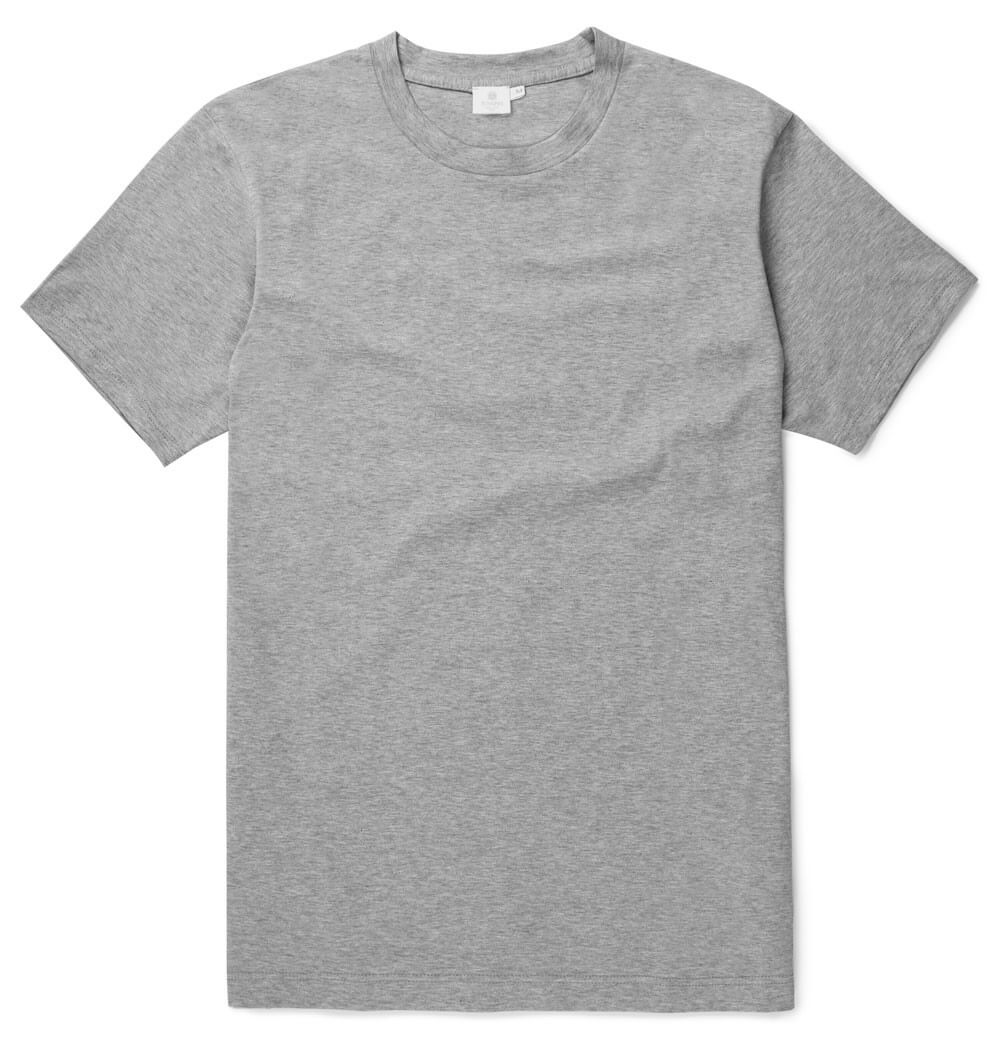
Selling item B
Now imagine that you are in possession of item B (t-shirt) and want to sell it.
What is the minimum price you would accept for item B (t-shirt)?
Selling item B
Here is some extra information about item B (t-shirt):
This t-shirt is made from nano treated fabric.
It is stain-resistant and will even show no sweat stains.
With this information in mind, what is the minimum price you would accept for item B (t-shirt)?
Item C
Please have a look at the item below.
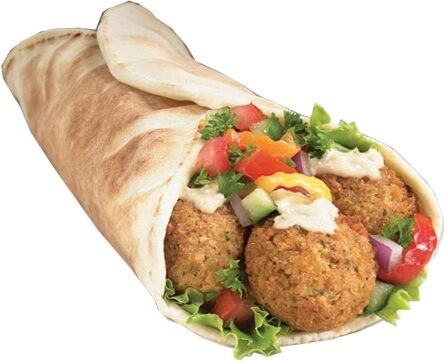
Selling item C
Now imagine that you are in possession of item C (falafel durum) and want to sell it.
What is the minimum price you would accept for item C (falafel durum)?
Selling item C
Here is some extra information about item C (falafel durum):
This falafel durum contains many calories.
You have to run approximately 13 kilometers to burn them.
With this information in mind, what is the minimum price you would accept for item C (falafel durum)?
Item D
Please have a look at the item below.

Buying item D
Now imagine that you are not in possession of item D (art piece) and want to buy it.
What is the maximum price you would pay for item D (art piece)?
Buying item D
Here is some extra information about item D (art piece):
This art piece is mass produced.
You are very likely to be one of thousands possessing this art piece.
With this information in mind, what is the maximum price you would pay for item D (art piece)?
Information assessment
In the following, we will give you information about the item you just saw, and we ask you to rate each piece of information after how it affects your valuation of the item.
Information about item A (mug)
How does the following information affect your valuation of item A (mug)?
This mug is unbreakable.
You can drop it from 10 metres onto concrete and it will not break.
Information about item A (mug)
Independent of the information just reviewed, how does the following information affect your valuation of item A (mug)?
This mug is not dish washer safe.
You must wash it manually after each use.
Information about item B (t-shirt)
How does the following information affect your valuation of item B (t-shirt)?
This t-shirt is made from nano treated fabric.
It is stain-resistant and will even show no sweat stains.
Information about item B (t-shirt)
Independent of the information just reviewed, how does the following information affect your valuation of item B (t-shirt)?
This t-shirt does not machine wash.
You must wash it manually at maximum 30 degrees celcius.
Information about item C (falafel durum)
How does the following information affect your valuation of item C (falafel durum)?
This falafel durum contains many calories.
You have to run approximately 13 kilometers to burn them.
Information about item C (falafel durum)
Independent of the information just reviewed, how does the following information affect your valuation of item C (falafel durum)?
This falafel durum is sustainably sourced.
All ingredients are organic and (if possible) produced locally.
Information about item D (art piece)
How does the following information affect your valuation of item D (art piece)?
This art piece is mass produced.
You are very likely to be one of thousands possessing this art piece.
Information about item D (art piece)
Independent of the information just reviewed, how does the following information affect your valuation of item D (art piece)?
This art piece is unique.
There will only ever be printed this one edition of the art piece.
Some questions about you
Please fill out the following background information. It is stored 100% anonymously!
Almost done …
Please click the button below to save your responses.
(When your data is saved, it is anonymised as a random record)